
Your Questions Answered

Curious about cooperative living? For more than 40 years, adults age 62 and better have chosen this lifestyle for its unique combination of independence, financial value, security, and connection. Explore answers to some of the most common questions about 62+ cooperative living and discover what makes the cooperative model such an appealing option.


Housing cooperatives for adults age 62 and better offer the benefits of homeownership with less of the maintenance, repairs, and upkeep of a traditional home. As a cooperative member-owner, you have an ownership interest in the community and a voice in decisions that help shape how you live. This unique approach to 62+ living offers financial value, security, and a welcoming sense of community, with plenty of opportunities to connect with neighbors and build lasting friendships. More than simply a place to live, a senior housing cooperative offers an active, supportive lifestyle where members can enjoy new experiences, meaningful connections, and the freedom of maintenance-free living.

A senior housing cooperative is shaped by the involvement, ideas, and participation of its member-owners. Members elect a board of directors to help guide community policies and may also form committees around shared interests, needs, and priorities. Each member-owner brings valuable experience, talents, and perspective, helping create a welcoming and engaged 62+ cooperative community. By working together, members build meaningful connections, share responsibility, and help create a vibrant senior living experience with a strong sense of belonging.

In a senior housing cooperative, each member-owner pays a monthly fee that covers their share of the community’s master mortgage, property taxes, required reserves, and ongoing operating expenses. These costs may include insurance, utilities, building maintenance, repairs, and professional management services that support the community’s day-to-day operations. Members also benefit from shared expenses, bulk-rate purchasing, and efficiencies created by the cooperative’s not-for-profit structure, helping support long-term value and more predictable housing costs.

Each member-owner pays a monthly fee that covers their pro-rata share of the community’s master mortgage, property taxes, required reserves, and ongoing operating expenses. These may include insurance, utilities, building maintenance, repairs, and professional management services. Because costs are shared across the cooperative community, member-owners may also benefit from bulk-rate purchasing, not-for-profit operations, and a more predictable approach to long-term housing expenses.

A monthly fee in a senior housing cooperative is different from rent or a traditional homeowners association fee because it covers a broader range of shared expenses, services, and potential financial benefits. Member-owners may be eligible for certain tax deductions, and monthly fees typically include both interior and exterior maintenance, along with replacement of standard appliances and equipment within the home. Unlike a traditional homeowners association fee, the cooperative monthly fee also includes each member-owner’s pro-rata share of the master mortgage and property taxes, as well as services such as internet, TV, utilities, maintenance, and other community operating costs.

Estoria Cooperative Market District requires that at least one member-owner of each home be age 62 or better. A prospective member must also show they have the resources to purchase a membership share. The application process has a minimum income requirement to help ensure potential members qualify for membership. To ensure the safety and security of all members, credit and background checks are also required.

There are several ways to finance the purchase of a senior housing cooperative share. Many buyers use proceeds from the sale of their current home, while others may choose to use savings, investments, or a short-term home equity loan while their existing home is being sold. Because the initial share cost in a cooperative may be lower than purchasing a single-family home, condominium, or townhome, buyers may have additional flexibility with remaining home equity. Those funds can be used for available home upgrades during development, invested for future needs, or reserved to help offset monthly cooperative fees and support long-term financial flexibility.

Share values and share prices appreciate over time using the limited equity formula set forth in the cooperative’s bylaws, which limits appreciation to 2.75% of the share value compounded annually.

You can sell your senior housing cooperative share at any time. Under the cooperative bylaws, the cooperative typically has 60 to 90 days to market the share to qualified buyers on its established waitlist before the member-owner may choose to offer it on the open market. Any buyer must meet the cooperative’s membership qualifications. Selling a share through the cooperative may also help reduce some of the costs associated with a traditional real estate transaction, such as realtor fees, title costs, and recording fees. Proceeds from the sale are paid to the seller, less any reasonable transfer or administrative fee established by the cooperative’s board of directors.

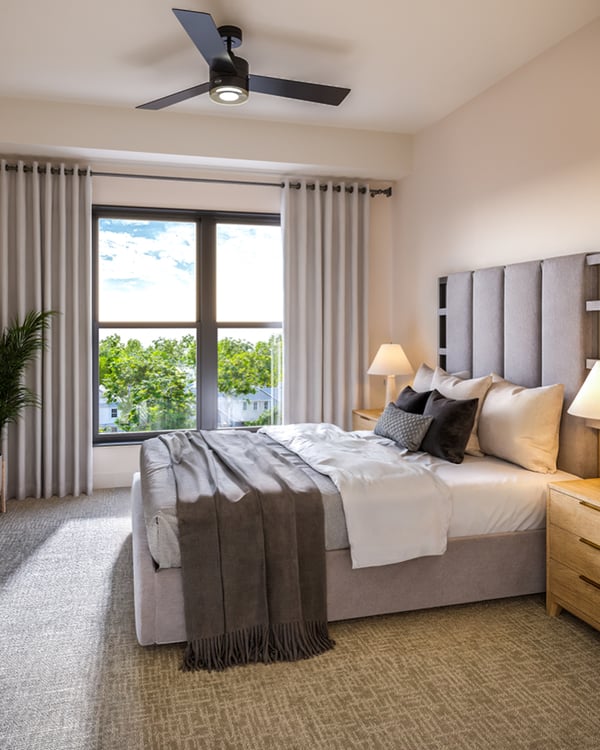
Before construction deadlines, buyers can personalize their new home by choosing from a variety of standard finishes, amenities, and available upgrade options. Standard home features are included in the share price, while upgraded selections are available at an additional cost. A housing specialist works closely with each member-owner throughout the process, helping them select the details that best reflect their style and make their new home feel uniquely their own.

" frameborder="0" allowfullscreen>

Right size your home

for the next chapter

The word downsizing has a way of making people think about what they’re giving up. A better way to look at it is: What do you get back? With fewer household responsibilities, a simpler home can open the door to a more fulfilling lifestyle.

Attend an upcoming event to discover how cooperative living can help you spend less time managing a larger home and more time enjoying the life you’ve built.

" frameborder="0" allowfullscreen>

Make it uniquely yours

with quality home finishes

Prior to construction deadlines, you can choose from a variety of quality home finishes that are included in your purchase price or showcase even more of your personal style with select upgraded options. A housing specialist works closely with member-owners to help them personalize their home and make it their own.

Contact us to learn more today!

" frameborder="0" allowfullscreen>

More than neighbors

With the community effect

One of the most popular advantages of cooperative living is the community effect: people working together for a common purpose.

Sharing life together, the community becomes more like a cooperative family. Now more than ever, the value of community and the need for a connection are even more important. Having supportive neighbors who care about you creates an amazing sense of community.

Resources & Helpful Links

Interested in learning more? Click below to learn all about the cooperative lifestyle at Estoria Market District.


Reservation Agreement

Download

Your Questions Answered

Download

Why the Cooperative Lifestyle

Download

Begin Your Journey

Download

Financial Comparison Worksheet

Download

Why Estoria?

Download

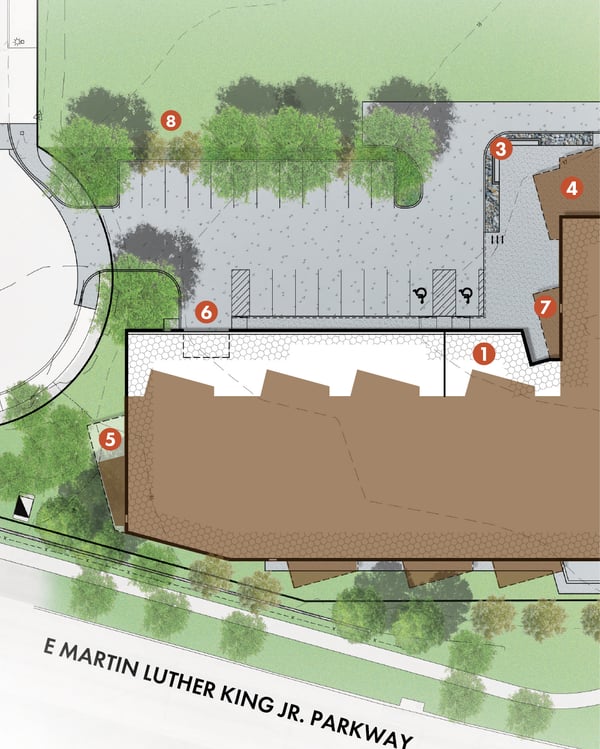
Site Plan & Area Map

Download

Experience Des Moines

Download

Market District Area

Learn More

Floor Plans

See Options

Gallery

See Renderings

Estoria Blog

Stay Connected
Street view rendering of the future Market District area development, across the river from downtown Des Moines, Iowa

Interested In Learning More?

Be one of the first to learn about this new, innovative cooperative community. Register here to join our interest list at Estoria Cooperative Market District in Des Moines, Iowa.